How we work
Clear decisions first. Scope, investment, timing and every change are documented before work moves forward.
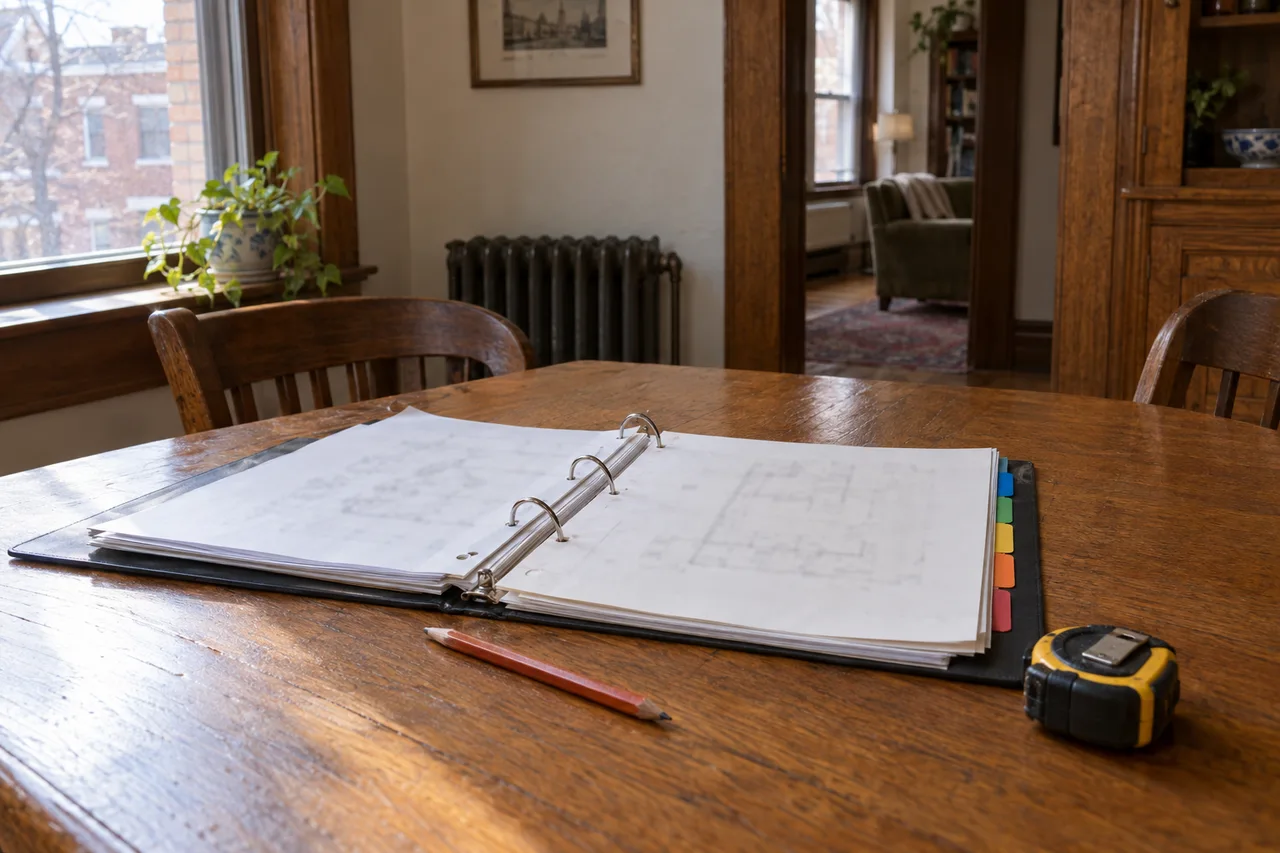
From project review to final invoice
We confirm the project is a fit before arranging an on-site consultation.
Confirm the project fit
Robert reviews the property, scope, investment range and timing before recommending the next step.
Written scope, priced by line
You get the work in writing, with each item priced on its own line instead of one lump sum.
Changes in writing
If something new turns up behind a wall or under a floor, it is written up as a change order for your approval before it is added.
Receipts you can see
Material purchases are tracked, and the receipts are available for you to review.
A private project page
Larger jobs can have a private web page with the checklist, your punch list and the receipts, so you can see where things stand.
An invoice that matches
The invoice follows the written scope line by line, with any approved changes listed separately.
Milestone payments, written schedule
Payments are tied to written milestones, and every project gets a written schedule before work starts. Schedules are estimates and can change for weather, permits, inspections or changes you ask for.
What should stay visible from first review to closeout?
Use these questions to discuss how decisions, checks and open items will be documented.
Project review
Property, goals, timing and decision-makers are clear enough to discuss the next step.
Scope & selections
Inclusions, exclusions, assumptions and open selections are visible in one written scope.
Readiness
Approvals, access, lead times and decisions due are reviewed before the work is scheduled.
Checkpoints
For work that will be concealed, the appropriate check and record are agreed before it is covered.
Change approval
The reason, price and timing effect are written down before added work moves forward.
Resolve & verify
A concern stays open until the correction and the appropriate follow-up check are recorded.
Closeout
The final invoice, approved changes, open items and available care documents are reconciled.
Three different roles
Is every “inspection” the same?
No. Keep the purpose and limits of each review visible.
Contractor quality check
The project team checks the work against the agreed scope and applicable project information.
Coordinate: Which stage is checked, against what document, and what record will identify the location and result?
Required inspection
The authority having jurisdiction performs the inspections required for the permitted scope.
Coordinate: Which inspections apply, who requests them, and what must remain accessible until the authority completes its review?
Independent advice
An owner-appointed professional reviews the agreed questions within coordinated access and safety limits.
Coordinate: What question will the reviewer address, what notice and safe access are needed, and how will findings be answered?
Local requirements vary. In Chicago, required inspections are listed on the permit certificate and permit-related inspection requests are submitted online through the Department of Buildings. See the official inspection page (opens in a new tab) and the project municipality in our area guide. Checked October 24, 2026.
How do we document work before the walls are closed?
Before work is covered, record what was visible and complete the checks required for the actual scope.
Location-and-date photographs
Show what was visible, where and when. They can support a record but do not test performance or certify hidden work.
Tests and observations
Name the method, result, limits and person responsible. A reading or operational check answers only the question it was designed to address.
Required or specialist review
Record the applicable inspection or professional review and its result. One review does not automatically replace another.
Photographs do not certify hidden work. The contract, permit, applicable inspection and appropriate professional review determine what must be checked before the work is covered.
Why should the process be visible?
Renovation is easier to trust when you can check it. A scope written line by line shows what each part of the job costs. Changes priced and approved before they happen mean the total only moves when you agree to it. Receipts you can see show what was bought for your project.
What should be resolved before work starts?
Selections, known material lead times, site access and the order of work are reviewed before the schedule is confirmed. If those conditions change, Robert discusses the effect on timing before the plan changes.


What does Robert already put in writing?
- A written scope, with each item priced on its own line
- A change order for anything added, priced before it is done
- Material receipts, available for you to review
- A private project page on larger jobs, with the checklist and your punch list
- An invoice that follows the scope line by line
Who handles permits and required inspections?
When a project needs a permit, we tell you before work starts what is required in your city or village and take care of the process. Our area pages link to each official building department.
Can the project include major layout changes?
Yes, when the property and project support them. The Old Home, Modern Living guides explain how room conversions, wall changes, contemporary kitchens and baths, additions and whole-house rehabilitation move from an idea to coordinated professional review.
Can two proposals with the same total include different work?
Compare the same four fields before comparing a total.
- Included work
- Remove the listed kitchen finishes; prepare the named surfaces; install the selected cabinet layout after field verification.
- Exclusions
- Structural changes, concealed-system repair and work outside the listed room are not included in this example.
- Allowances
- Selection categories are named, but no market price is shown. A real proposal should state the amount, basis and reconciliation method.
- Unknowns
- Conditions behind finishes remain unresolved until the agreed investigation or opening stage.
This comparison is not a bid, contract or price range.
Questions worth asking
How do I keep control of a renovation?
These answers describe the records and decisions to discuss. They do not replace your contract, municipal inspections or advice from the appropriate professional.
How do I vet a remodeler beyond a polished portfolio?
Ask to see the kind of line-item scope, change record, project update and closeout list you would receive. A useful sample shows how decisions are recorded, not just how finished rooms photograph.
Verify any required registration, license, insurance, permit responsibility and references through the appropriate source for your project. A website cannot replace property-specific due diligence.
How can I know hidden work was checked before it was covered?
Before that stage, identify the work that will become inaccessible, the appropriate person to check it and the record you expect. A useful record is dated and location-specific and states what was checked, the result and its limits.
Photos alone do not prove performance. Internal checks also do not replace required municipal inspections or an independent professional you choose.
Will my independent inspector be allowed to check the work?
Raise independent review before signing and agree on timing, scope, notice, safe access and how findings will be answered. The right opportunity depends on the work and site conditions, so it belongs in the project discussion rather than a blanket website promise.
A private inspector, the contractor’s own quality check and a required municipal inspection have different roles. One does not automatically replace another.
How do I keep changes from becoming surprise costs?
Start with one written scope that makes assumptions, allowances and unresolved selections visible. If a request or concealed condition changes the work, the change should state why, what is different, the cost and the timing effect before added work proceeds.
What should happen when I find a defect or unfinished item?
Put it in one record with the location, observed condition, owner, next action and status. Receiving the concern, diagnosing it, scheduling a correction and verifying the result are different steps.
The right follow-up depends on the issue. It may be a visual check, an operational test, a municipal inspection or review by the appropriate specialist.
Who handles a subcontractor’s mistake?
You should have one client-facing project owner even when a specialist trade performs the correction. The record should name the observed condition, responsible trade, next action and appropriate verification so you do not have to coordinate several parties yourself.
What should I receive at the end of the project?
Reconcile the final scope, approved changes and invoice. Record any open item and who owns it. Collect the care information, product documents and inspection records that actually apply to the work rather than accepting an unlabeled photo folder.
Sample project
See how the client experience could come together
Explore one sample renovation from the first decisions through selections, allowances, checkpoints and updates. The controls are a preview, so nothing is saved or sent.
Tell Robert about your project.
Call, email or send an estimate request with photos. You deal directly with the person running your job. Robert replies within 2 business days.